Skip to content
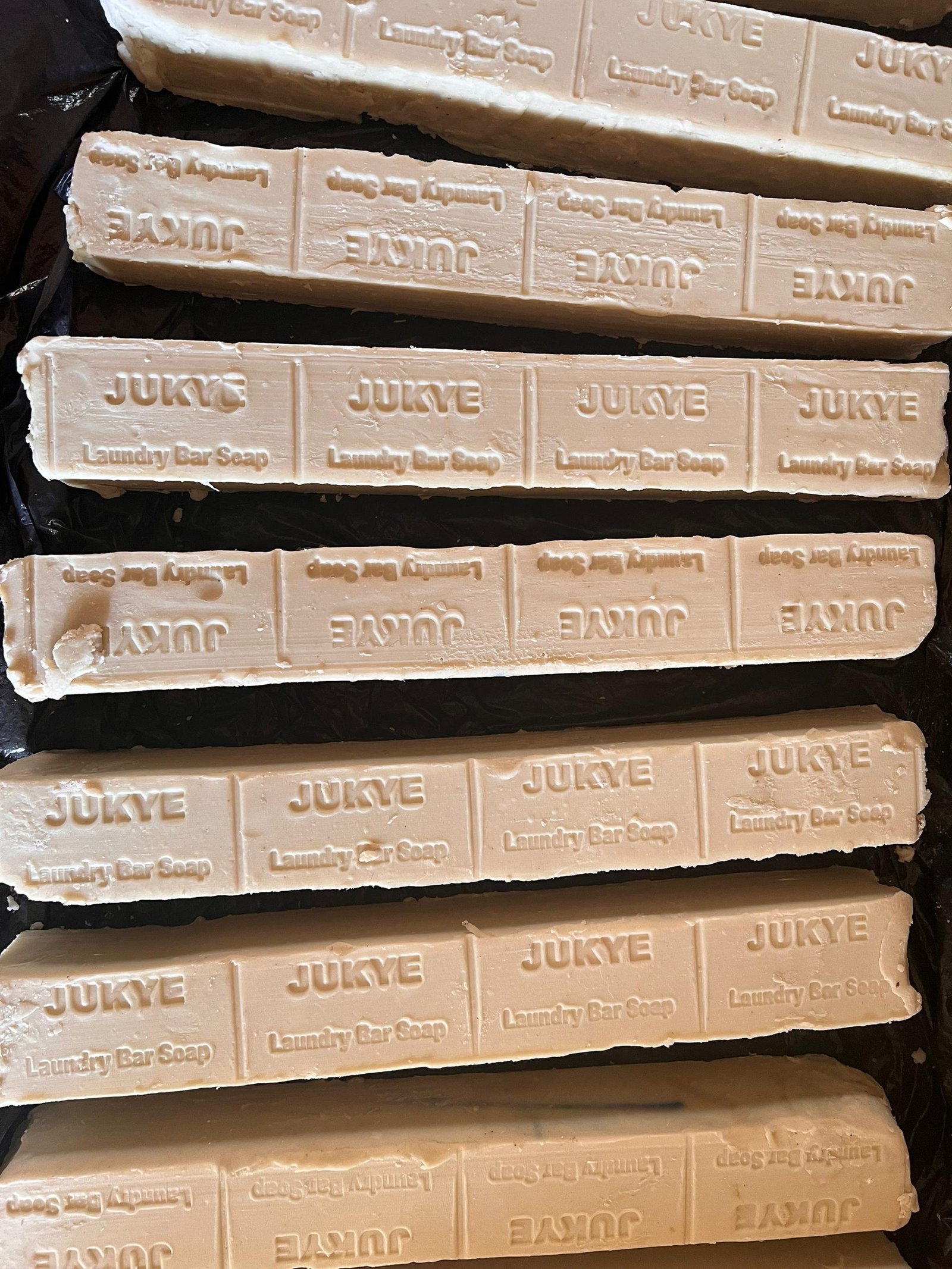
Rows of cured Jukye laundry bars, each stamped with the Jukye name and the words Laundry Bar Soap

Soap with purpose. Impact that lasts.

A hard-water laundry bar made from banana waste, in Kabuyanda, by the community that grows it.

More than soap. A purpose behind every product.

In Isingiro District, banana is the backbone of rural life. Farmers spend months tending a plantation, then watch harvest season collapse the price of a whole bunch to less than a dollar. The peel, the part nobody wants, is left to rot in the compound.

Jukye BananaPak buys that peel. We burn it to ash, and we turn the ash into a laundry bar built for the hard water rural households actually wash in. The farmer earns from what she used to throw away. The neighbour makes it. The household buys it. The value never leaves the village.

Our story
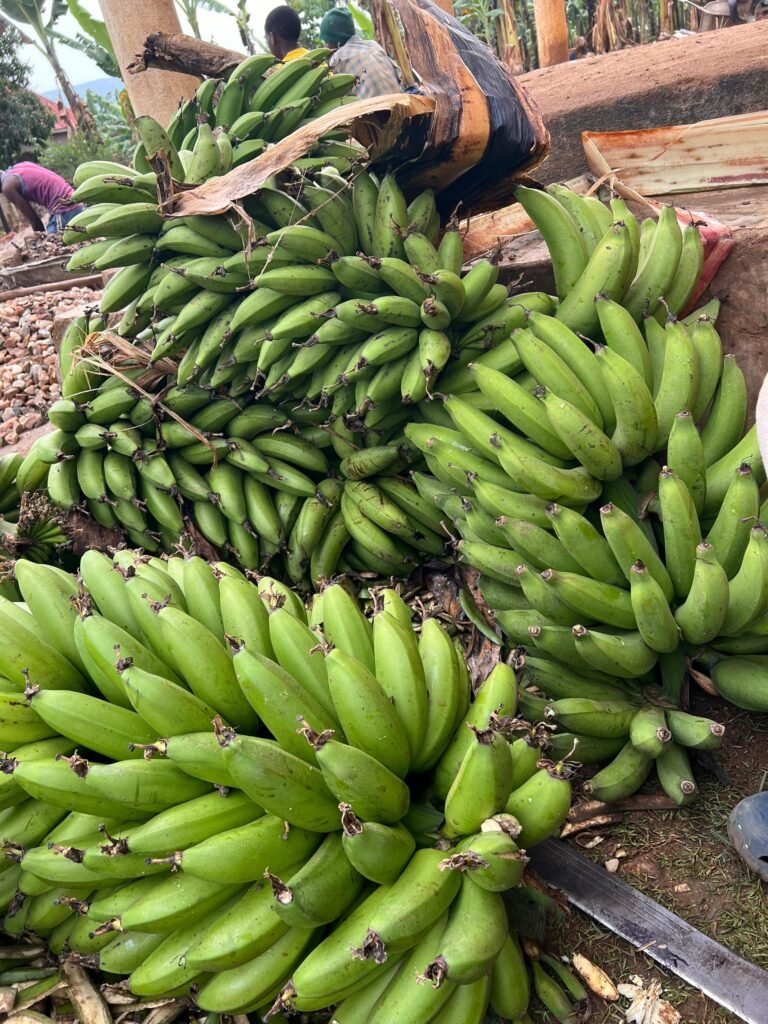
Freshly harvested green matooke banana bunches stacked at a collection point in Isingiro District

Made with care. Created for impact.

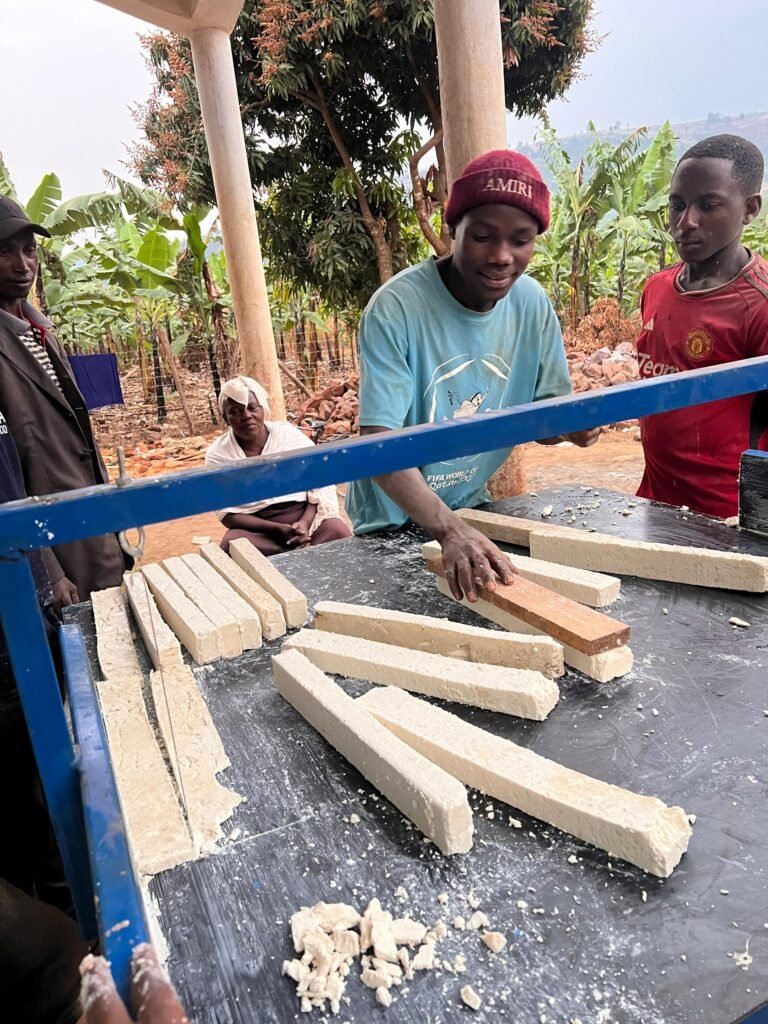
Every batch is cut, stamped and packed by hand in Kabuyanda, from peel collected within a few kilometres of the workshop.

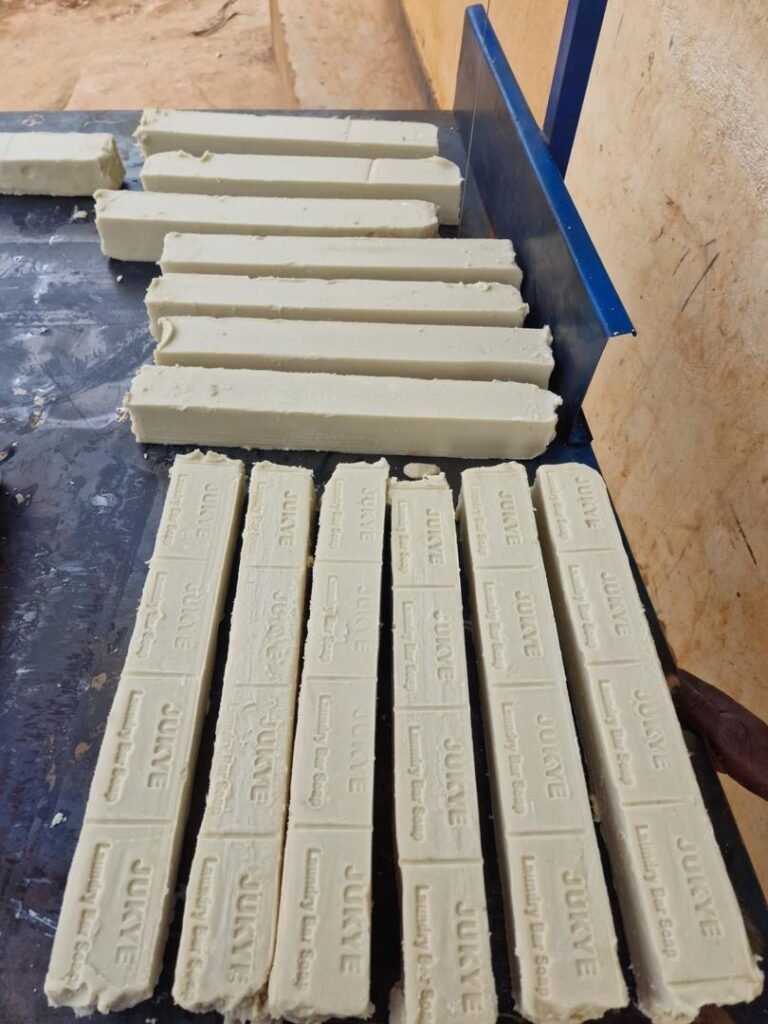
Freshly cut Jukye laundry bars laid out to cure before stamping

In production

Jukye Multi-Purpose Laundry Bar

Our core product. A long bar made from East African Highland Banana peel ash, formulated for the hard water rural households wash in.

  • Laboratory tested for potassium content, total fatty matter and foam stability
  • Cut and stamped by hand in Kabuyanda
  • Sold loose or in a retail case
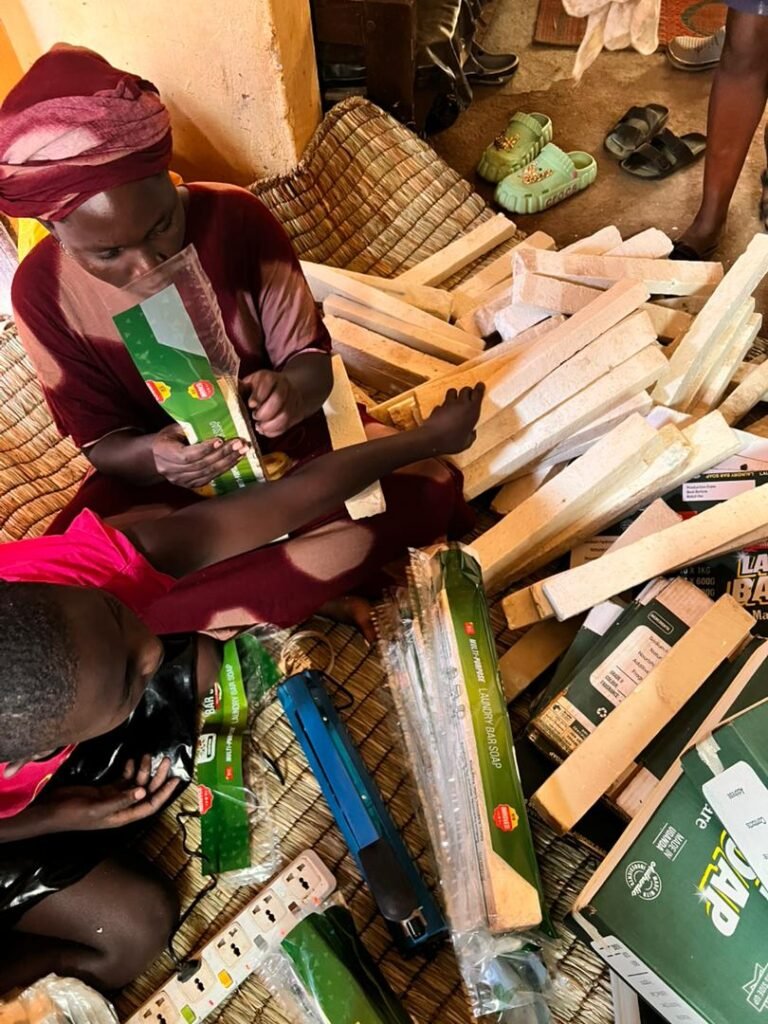
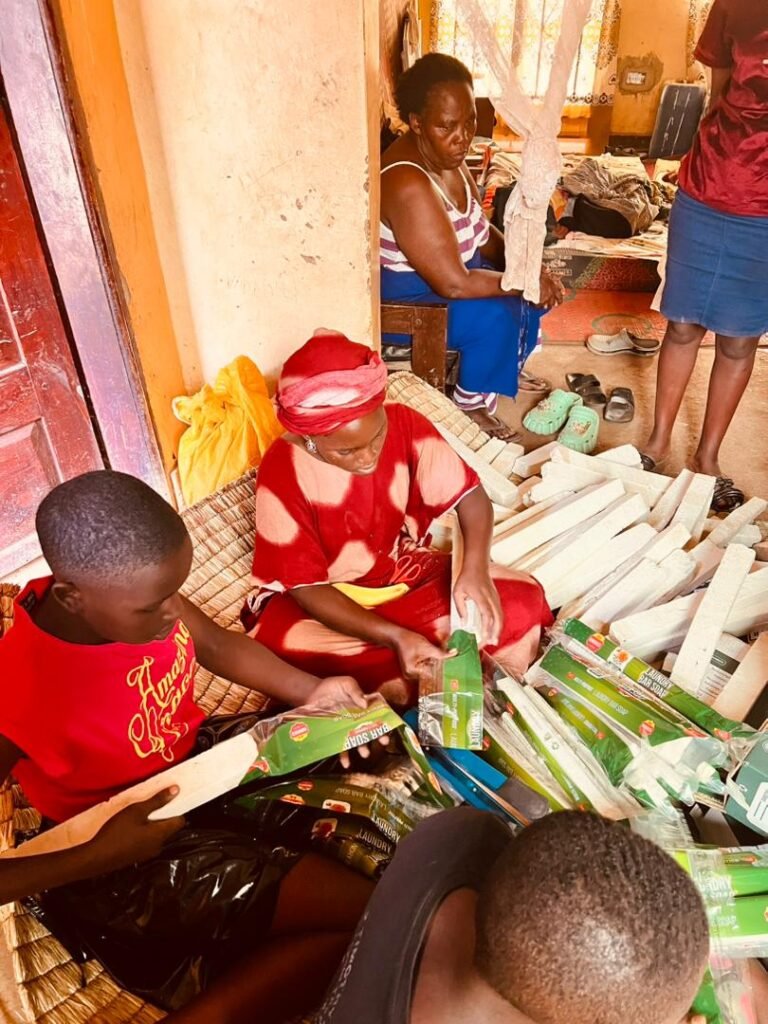
A member of the production team sliding cured Jukye bars into their printed green sleeves

In production

Retail Case and Sleeve

The same bar, sleeved and boxed for shops, market traders and the young people who distribute for us across the district.

  • Printed sleeve per bar
  • Case quantities for retailers and traders
  • Packed alongside the production line
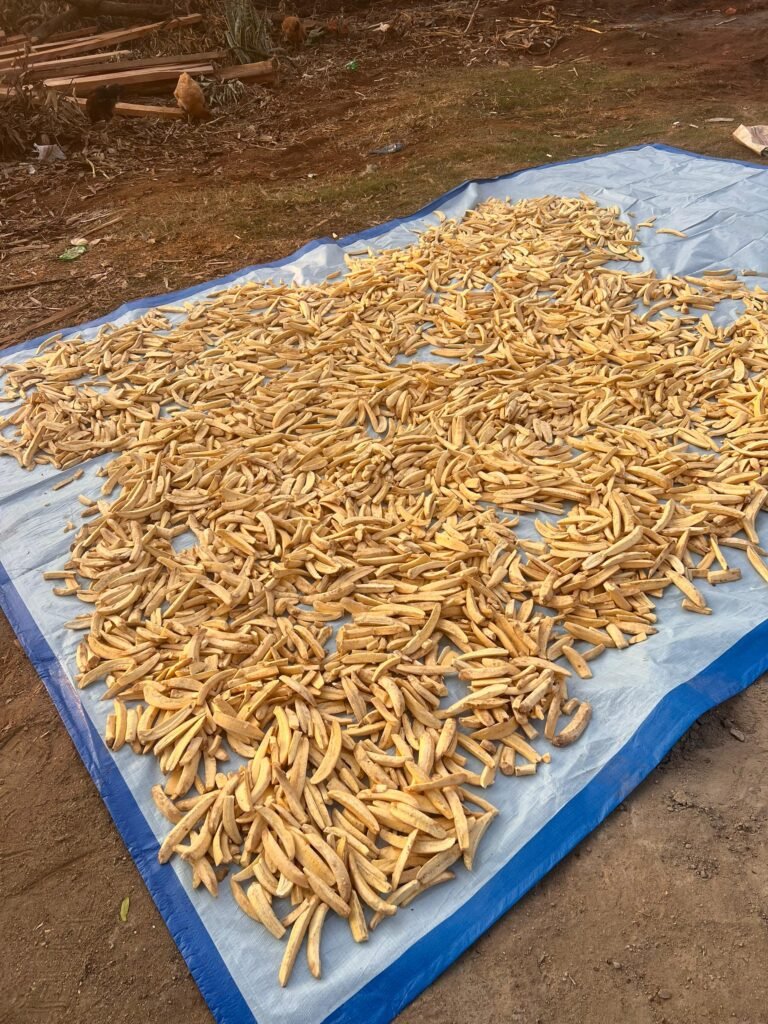
Sliced green banana laid out on racks to dry in the sun before milling into flour

In development

Banana Flour

A second line from the same supply chain. Green banana, peeled, dried and milled. We are proving the unit economics before we sell at scale.

  • Uses the same farmer relationships
  • First batches in trial
  • Availability to be announced
Why we exist

Business that creates more than profit.

Local production

We produce at the source, in Kabuyanda, using peel collected nearby. Keeping manufacturing in the village is what keeps the price reachable and the value in the community that created it.

Employment and skills

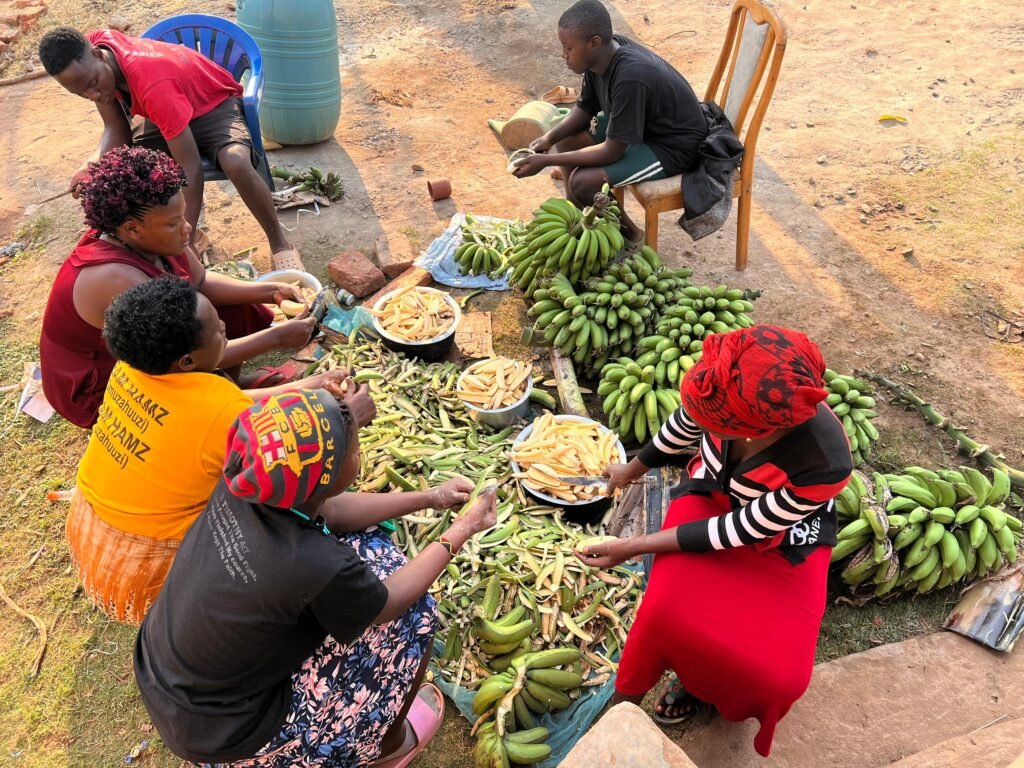
Rural women and young people run the production line, from collection through cutting, stamping and packing. They learn a trade at home rather than leaving to look for one in the city.

Sustainable thinking

Peel that would decompose in a compound or a landfill becomes the raw material for something a household needs every week. Nothing is wasted, and that is not a slogan, it is the supply chain.

Community value

Farmers gain a buyer for a material that had no market. Households gain a bar that lasts. Our customers know the women who made it and the farmers whose peel became the ash.

From source to soap.

Five steps, all of them inside the same community.

Harvested banana bunches gathered for collection

Source

Farmers set aside the peel instead of leaving it to rot. We collect and pay for it.

Cutting and stamping cured bars to length at the workshop bench

Produce

Peel is dried and burned to ash, then worked into the bar and cured.

Sleeving and boxing finished Jukye bars by hand

Package

Bars are cut to length, stamped, sleeved and cased by the production team.

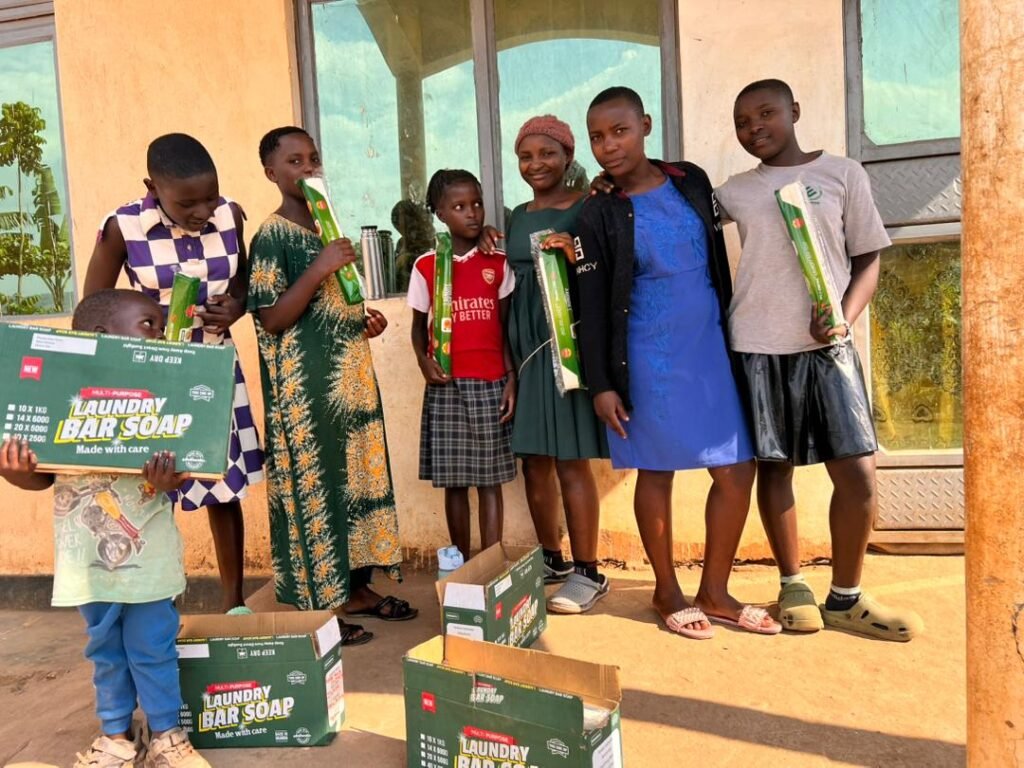
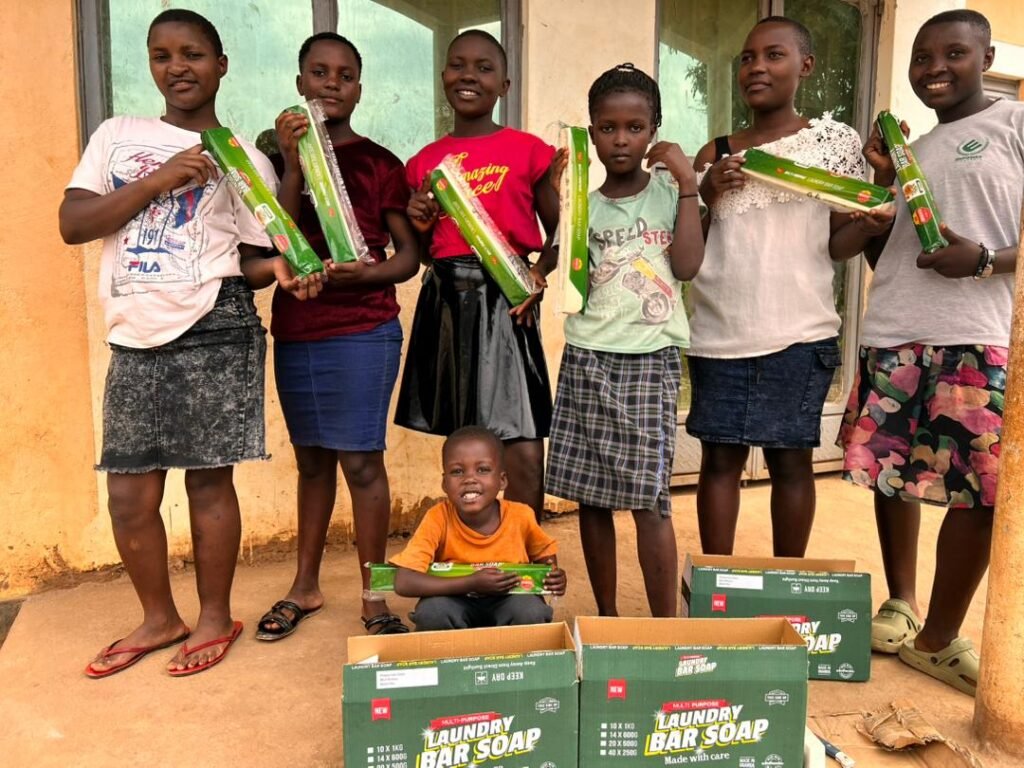
Young distributors holding sleeved Jukye bars and retail cases

Deliver

Young people from the district carry stock to households, shops and traders.

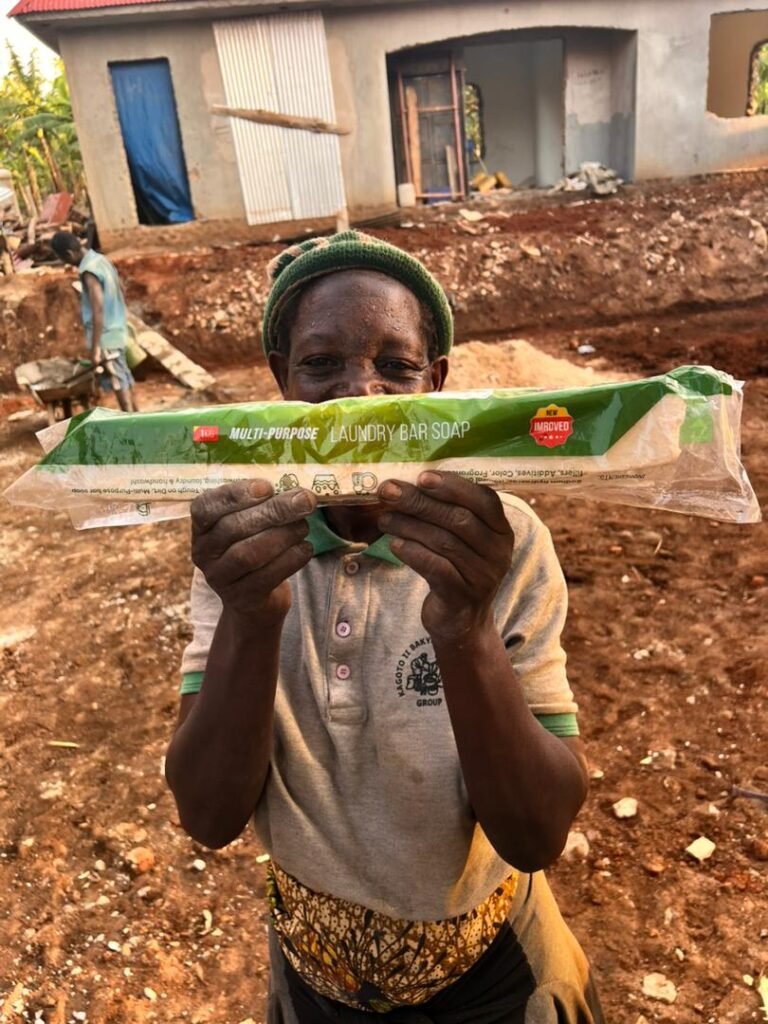
A customer in Kabuyanda holding a sleeved Jukye laundry bar

Impact

Money reaches the farmer, the maker and the seller, and stays in Isingiro.

Why Jukye BananaPak.

Quality

Consistency is the floor everything else stands on. In a community where word travels faster than any advertisement, one bad batch ends relationships that took years to build, so every batch is made to the same standard and checked against it.

Members of the community sitting together peeling green banana for the day’s production

Purpose

A social enterprise built to pay its own way. Every decision has to serve the community that built us, and sustain itself without permanent grants.

Sustainability

Our raw material is agricultural waste. Growing the business means diverting more of it, not extracting more from the land.

Community

We were built inside the community we serve, which is why farmers, women and young people trust us with their time and their harvest.

“The truth is your soap is the best. I still have a bar left since last month. Send more.”
A customer in Kabuyanda
Young people from the district holding sleeved Jukye bars beside cases ready for distribution

Let’s create impact together.

Whether you are a customer, a distributor, a partner organisation or a potential collaborator, we would like to hear from you.